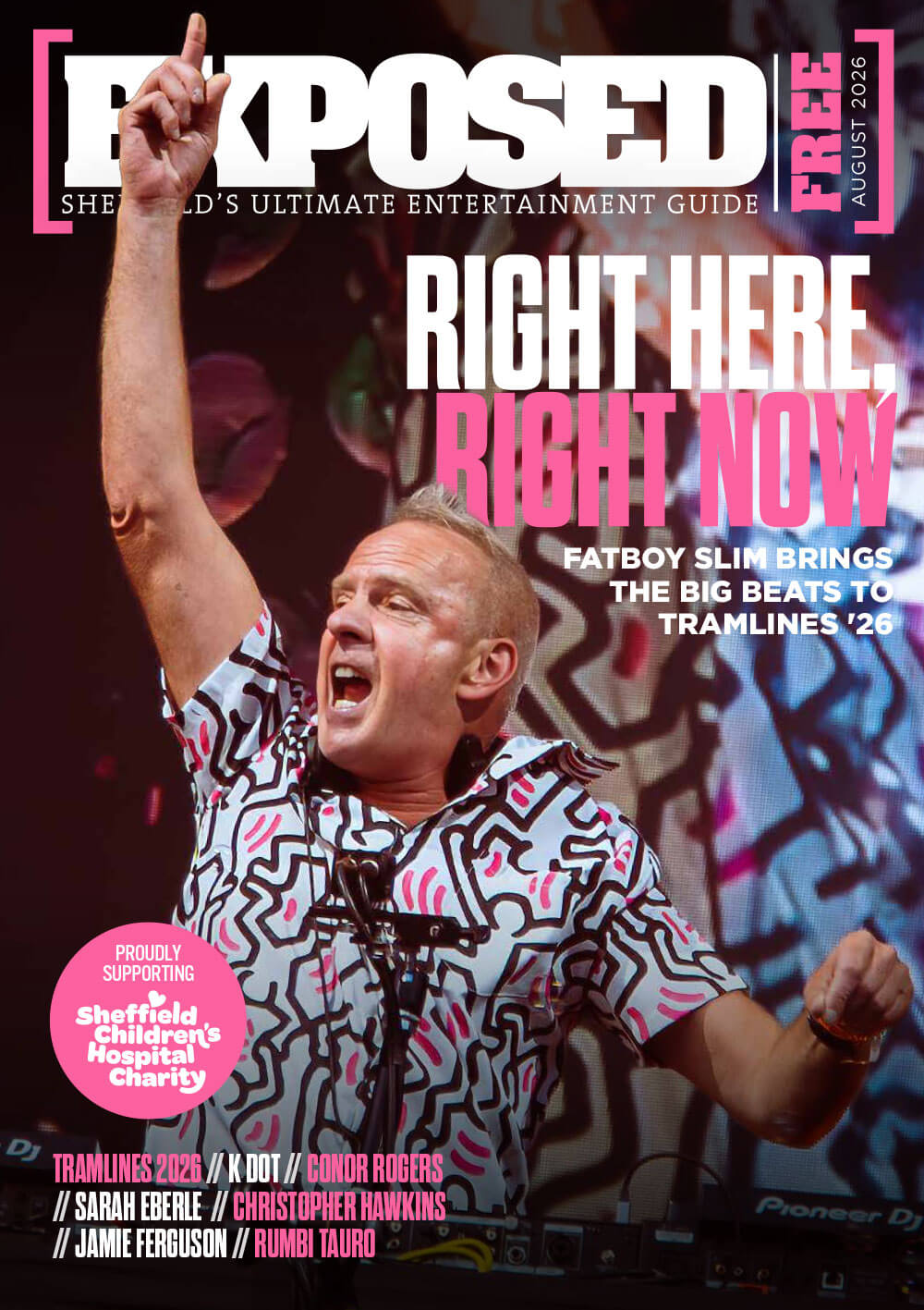
The Get Together festival saw over 70 artists play in Kelham Island and Neepsend on Saturday 16 May. A lot of them played to a crowd who actually liked them. And then came Sunday, and the hard bit. Luminate released their stats in January, counting 106,000 tracks uploaded to streaming services daily. 88% of all tracks already on streaming services had fewer than 1,000 plays by the end of the year. That’s the math you have to deal with, regardless of how big your gig was. The question becomes: can you do something about it in the fortnight after?
Planning the week you don’t plan for
Artists spend a lot of time planning their set and how they’re going to load out. Very few plan for the two weeks after. First of all, make sure you’ve got a room full of people you know. Instead of filming the entire set from the side of the stage, film one song from the middle of the crowd on a mobile phone. One song with a bunch of people’s faces visible and hearing them singing along is far more powerful than forty minutes of you playing to a wall.
Second of all, get a name and an email address at the merch table. Having sixty email addresses is much better than having six hundred followers on a platform which doesn’t always show your content.
Finally, put something out while people still remember you. A live clip, an early version of a song they were asking for, something that’s relevant to the gig you played. If you wait six months until the song is mastered and remastered, you’ll be introducing yourself to that same room again.
What Spotify announced for 2026
In January, Spotify announced that it had paid the music industry over $11bn in 2025, a ten percent increase, and that independent artists and labels received half of those royalties. That’s great, but half is still a very large amount to split amongst a large number of artists.
However, the interesting part of their announcement was what Spotify is doing for the rest of 2026. They highlighted a focus on human editorial teams, and programs designed for long-term playlisting – that is, humans making decisions rather than an algorithm. They mentioned increased verification of artists and accurate credits for songs. They also said they were looking to convert fans into paying customers, noting that over $1bn in tickets has been sold through Spotify.
As an artist trying to sell tickets, that is the headline to focus on. There are two points to take from that for anyone releasing music this autumn. First of all, pitch your release via Spotify for Artists before you release it, not after. Secondly, make sure you include proper credits: songwriters, featured artists, producers etc. Incomplete data is often seen as a negative sign these days.
Spending money on promotion, honestly
It’s completely normal to pay for promotion. It’s part of being a business. It’s not a problem if you pay for the right thing. Bot accounts get filtered out and any fake metrics get deleted with them. A song that jumps from 200 to 40,000 plays overnight is going to look exactly like it sounds.
Good promotion services are boring: they have actual accounts that have listened to things in the past, and they deliver streams gradually rather than all at once. Thirdly, no company will ever need your login credentials. Find out if a company satisfies those three points before asking them about price. Look for companies who specifically offer music promotion for independent artists, rather than general followers, such as Artist Push, and compare their offers.
If anyone asks for your login, run away. None of this will replace going on tour, but it can give you just enough momentum to convince someone booking you on a tour that there’s actually an audience for you. Book the next gig before you leave the previous one. Sheffield will hand you the rooms. You’ve got two weeks to make the most of them.