
[Photo by Tim Foster on Unsplash ].
Gardening has always reflected the changing interests of the people who tend it. While growing vegetables, herbs, and colorful flowers remains as popular as ever, many gardeners are now turning their attention to specialty plants that offer something a little different. These plants may be prized for their unusual appearance, unique genetics, rich history, or the rewarding challenge they present during cultivation.
This shift reflects a wider interest in learning where plants come from, understanding how different varieties are developed, and becoming more involved in every stage of the growing process. Whether someone is cultivating heirloom tomatoes, exotic orchids, carnivorous plants, or legally permitted cannabis varieties, specialty gardening offers a more engaging and educational experience.
Why Gardeners Are Expanding Their Horizons
Modern gardening is about much more than filling flower beds or harvesting vegetables. For many people, it has become a hobby that combines creativity, science, sustainability, and personal achievement.
Specialty plants appeal to gardeners because they offer experiences that traditional garden staples sometimes cannot. Every variety presents new questions to answer, different techniques to master, and fresh opportunities to learn.
Some of the biggest reasons gardeners are exploring specialty plants include:
- The opportunity to grow something uncommon.
- Learning advanced cultivation techniques.
- Developing a deeper understanding of plant genetics.
- Creating gardens that reflect personal interests.
- Enjoying the satisfaction of mastering a challenging project.
The Joy of Growing Something Unique
One of the strongest motivations behind specialty gardening is the excitement of cultivating plants that stand apart from the ordinary. Many gardeners enjoy creating collections that showcase unusual colors, textures, growth habits, or growing requirements.
Rare and Heirloom Varieties
Heirloom vegetables, unusual flowering plants, and rare ornamentals often carry fascinating histories. Growing them allows gardeners to preserve plant diversity while experiencing characteristics that may not be found in widely available commercial varieties.
Learning Through Trial and Error
Specialty plants frequently require adjustments to watering schedules, lighting conditions, soil composition, or temperature management. While this may sound intimidating, many gardeners enjoy the problem-solving aspect of cultivation.
Each growing season becomes an opportunity to refine techniques and build confidence.
A More Personal Garden
Gardens increasingly reflect individual personalities rather than simply following traditional landscaping trends. Some gardeners dedicate spaces to pollinator-friendly plants, while others focus on tropical foliage, native species, or collections of unusual edible crops.
Building Knowledge Through Cultivation
[Photo by Eric Prouzet on Unsplash]
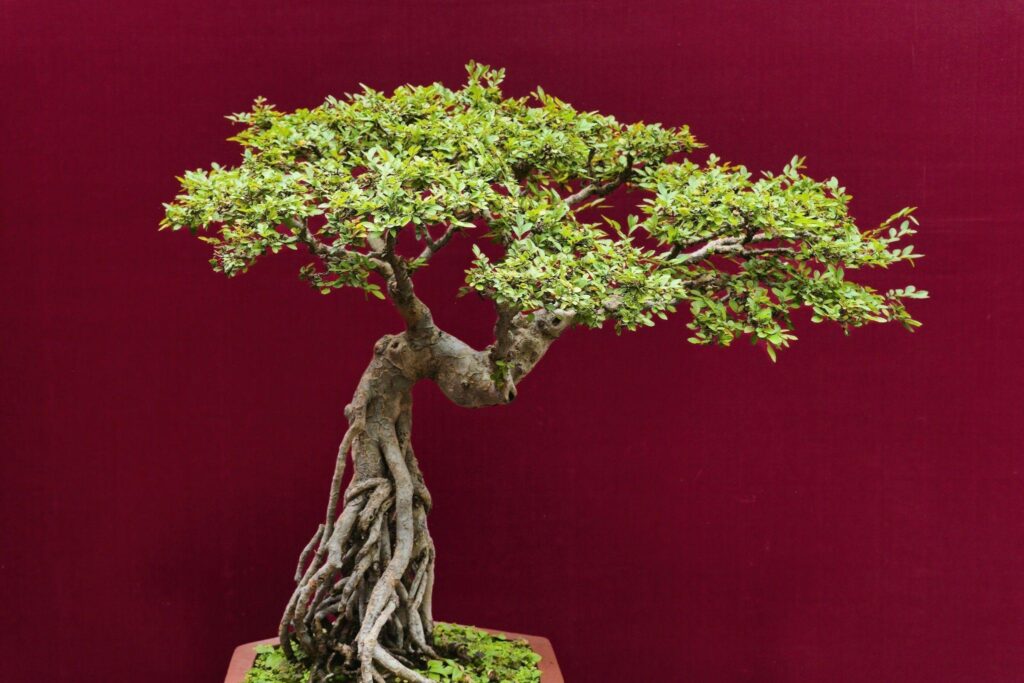
Growing specialty plants encourages gardeners to become lifelong learners. Success depends on understanding not only what a plant needs but also why those conditions matter.
As gardeners gain experience, they naturally become more familiar with topics such as:
Soil Quality
Healthy soil forms the foundation of successful cultivation. Understanding drainage, organic matter, and nutrient balance helps specialty plants thrive.
Climate Awareness
Different varieties respond differently to seasonal temperatures, humidity, and daylight hours. Matching plants to suitable growing conditions often improves long-term success.
Plant Genetics
Learning about genetics helps gardeners understand why certain varieties display particular characteristics, including growth habits, flowering times, resilience, and appearance.
For gardeners interested in exploring specialty plant genetics, including legal cannabis cultivation where permitted, it is worth consulting reliable educational resources. Grower’s Choice Seeds offers information about a wide variety of cannabis seed genetics and cultivation considerations. Those looking to expand their understanding can learn more through Grower’s Choice Seeds as part of their broader research into specialty gardening.
Educational resources work best when combined with practical experience, observation, and careful experimentation in the garden.
Specialty Gardening Encourages Patience
Unlike quick landscaping projects, specialty gardening rewards consistency over speed. Many unusual plants require careful planning before planting even begins.
Experienced gardeners often spend time researching:
- Suitable growing environments
- Seasonal planting schedules
- Watering requirements
- Pest prevention strategies
- Container versus outdoor growing
- Long-term maintenance needs
This preparation encourages more intentional gardening habits. Instead of reacting to problems after they appear, gardeners learn to anticipate challenges and create conditions that support healthy plant growth from the very beginning.
Patience also develops naturally throughout the growing season. Monitoring changes, adjusting care routines, and observing plant development help gardeners appreciate the process rather than focusing solely on the final result.
Community Is Driving the Popularity of Specialty Plants
Another reason specialty gardening continues to grow is the strong sense of community surrounding it.
Gardeners today have access to local clubs, botanical gardens, online forums, social media groups, and educational workshops where they can exchange ideas and learn from one another. These communities introduce growers to new species, cultivation methods, and gardening techniques that they might never have discovered on their own.
Sharing successes and occasional failures helps everyone improve.
Many experienced gardeners also enjoy mentoring beginners, passing along practical advice that books alone cannot always provide. Conversations about soil mixes, propagation techniques, seasonal timing, and plant care often inspire gardeners to try something new each year.
This collaborative spirit has helped transform specialty gardening into an ongoing learning experience rather than a solitary hobby.
Why Specialty Plants Continue to Inspire Gardeners
[Photo by The Manh on Unsplash]
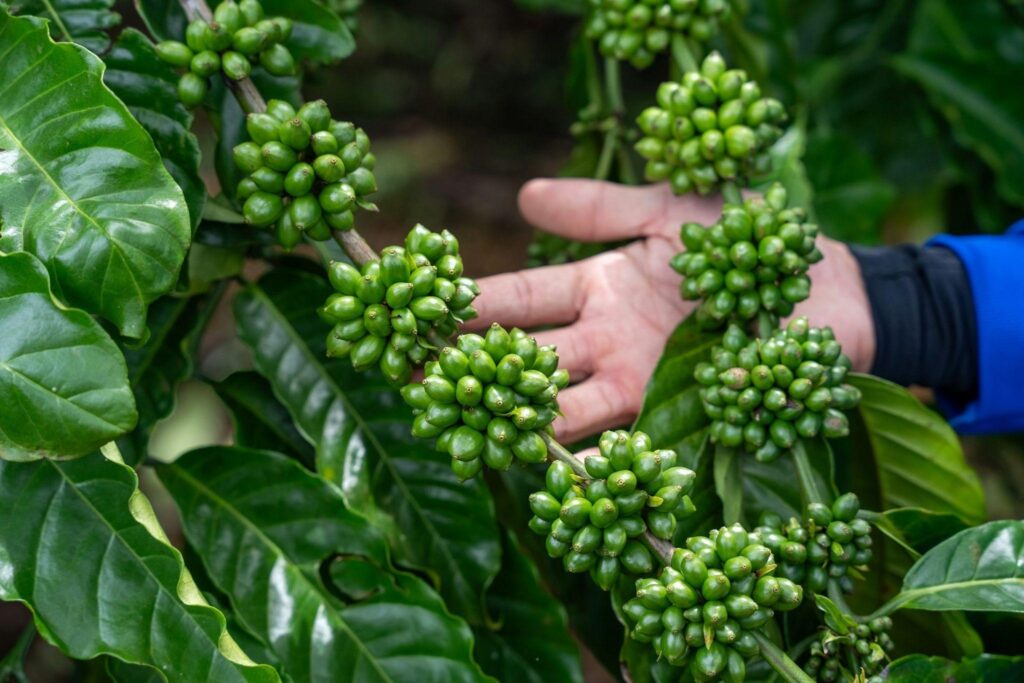
One of the greatest strengths of specialty gardening is that there is always another challenge waiting. Every growing season introduces new weather conditions, different growing environments, and fresh opportunities to improve.
Gardeners often keep journals documenting planting dates, observations, and lessons learned throughout the year. Over time, these records become valuable resources that guide future decisions and help refine cultivation techniques.
Specialty plants also encourage greater appreciation for biodiversity. Exploring different species and varieties highlights the remarkable adaptability of plants and reminds gardeners how much there is still to discover.
Whether someone chooses rare flowers, heirloom vegetables, unusual houseplants, or legally cultivated cannabis varieties where permitted, specialty gardening offers a rewarding balance of creativity, science, and hands-on experience.
Conclusion
The growing interest in specialty plants reflects a broader change in how people approach gardening. Rather than viewing their gardens as static spaces, today’s gardeners see them as places for discovery, education, and personal growth. Cultivating uncommon varieties encourages curiosity, strengthens practical skills, and creates a deeper appreciation for the natural world.
As more gardeners embrace lifelong learning, specialty plants will continue to capture attention for reasons that go far beyond their appearance. They challenge growers to think differently, care more intentionally, and celebrate every milestone throughout the growing journey. In the end, that sense of discovery is what keeps gardeners returning to the soil season after season.