If you’ve spent any time scrolling through Nepal trekking forums, you’ve probably run into this exact debate: should you do the 7 Days Annapurna Base Camp Trek or commit to the longer, more demanding Annapurna Circuit Trek? It’s one of the most common questions trekkers ask before booking a trip to the Annapurna region, and honestly, most of the answers online don’t go deep enough. They compare distance, maybe throw in a difficulty rating, and call it done.
But that’s not really how people choose a trek. What actually matters is how many vacation days you have, your fitness level, your budget, how you feel about altitude, and whether you want a short, scenic sprint into the mountains or a full circuit that takes you through several climate zones and Himalayan cultures in one go.
Both routes sit in the Annapurna Conservation Area, both are managed under permits issued through the Nepal Tourism Board and the Department of National Parks and Wildlife Conservation, and both deliver incredible mountain views. But they’re built for very different kinds of travelers. This guide breaks down everything you need for 2026 — itinerary, cost, permits, altitude, food, best season, and which trek actually fits your travel style.
Quick Comparison: 7 Days Annapurna Base Camp Trek vs Annapurna Circuit Trek
| Factor | 7 Days ABC Trek | Annapurna Circuit Trek |
| Duration | 7 days | 12–16 days |
| Maximum Elevation | 4,130 m (ABC) | 5,416 m (Thorong La Pass) |
| Difficulty | Moderate | Moderate to Challenging |
| Daily Walking Hours | 5–7 hours | 5–8 hours |
| Trek Distance | Roughly 60–70 km | Roughly 160–230 km (route dependent) |
| Best Season | Spring, Autumn | Spring, Autumn |
| Accommodation | Tea houses | Tea houses |
| Highest Pass | None (sanctuary trek) | Thorong La Pass |
| Permits Required | ACAP, TIMS | ACAP, TIMS |
| Cost Range | USD 450–750 | USD 850–1,450 |
| Suitable For | Beginners, time-limited travelers | Experienced trekkers, long-distance hikers |
| Guide Requirement | Recommended, often mandatory | Mandatory for solo trekkers |
| Scenic Highlights | Annapurna Sanctuary, Machhapuchhre | Thorong La, Mustang, Kali Gandaki Gorge |
Overview of the 7 Days Annapurna Base Camp Trek
What Makes This Short Trek Special?
The 7 Days Annapurna Base Camp Trek is basically the fast track into the heart of the Annapurna Sanctuary — a natural amphitheater ringed by some of the highest peaks on the planet. You walk through thick rhododendron forests (unbelievable if you catch them blooming in March or April), pass traditional Gurung villages like Chhomrong and Ghandruk, and eventually reach Machhapuchhre Base Camp before pushing on to ABC itself.
What people love about this route is the payoff-to-effort ratio. You’re not committing three weeks of your life, but you still get that sunrise moment at Annapurna Base Camp with Annapurna I, Machhapuchhre, and Hiunchuli lighting up gold around you. There’s also a hot spring stop at Jhinu Danda on the way back, which after five days of walking feels like an actual miracle.
For anyone searching “Annapurna Base Camp Trek itinerary” with limited vacation time, this short ABC Trek variant is often the practical answer — it fits into a single week including travel buffer days from Pokhara.
Overview of the Annapurna Circuit Trek
Why It Remains One of the World’s Greatest Treks
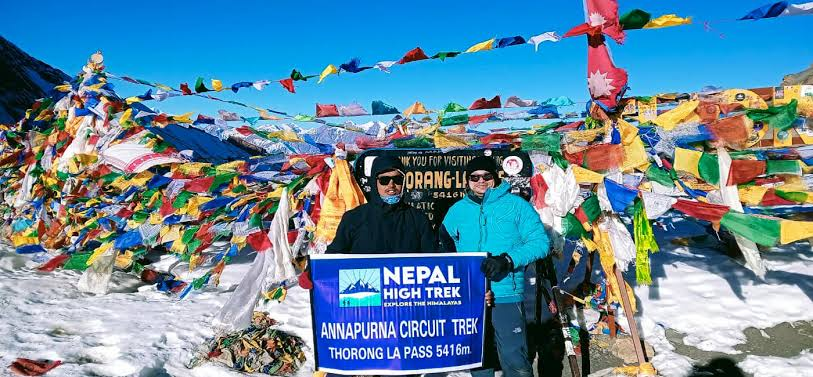
The Annapurna Circuit Trek isn’t trying to be efficient — it’s trying to show you everything. This is the trek that circles the entire Annapurna massif, taking you from lush subtropical villages up through pine forests, into the high desert landscape of Manang, and eventually over the legendary Thorong La Pass at 5,416 meters.
Once you drop down the other side into Muktinath, the whole character of the trek changes. You’re suddenly in Mustang-adjacent terrain — dry, wind-carved, almost lunar — following the Kali Gandaki Gorge, one of the deepest gorges in the world. Few treks anywhere pack in this much variety: glacier valleys, prayer flag-strewn passes, and Thakali villages all within the same two-week window.
If you search “Annapurna Circuit itinerary” or “Thorong La Pass Trek,” you’ll notice most seasoned trekkers describe this as a bucket-list route rather than just another hike, and it’s easy to see why once you’ve stood at the top of that pass looking down into Muktinath valley.
Detailed Itinerary Comparison
7 Days Annapurna Base Camp Trek Itinerary
- Day 1: Drive from Pokhara to Nayapul, trek to Tikhedhunga or Ulleri
- Day 2: Trek to Ghorepani through rhododendron forest
- Day 3: Sunrise at Poon Hill, trek to Chhomrong
- Day 4: Chhomrong to Himalaya Hotel via Bamboo and Deurali
- Day 5: Trek to Annapurna Base Camp, soak in sunrise views
- Day 6: Descend to Bamboo or Jhinu Danda, hot spring stop
- Day 7: Trek out to Nayapul, drive back to Pokhara
(Note: some operators skip Poon Hill for an even faster 5–6 day version, so always confirm your day-by-day plan before booking.)
Annapurna Circuit Trek Itinerary (12–16 Days)
- Days 1–3: Drive to Besisahar, trek toward Chame through lower Marsyangdi valley villages
- Days 4–6: Continue to Manang, with acclimatization built in
- Day 7: Rest and acclimatization day in Manang
- Days 8–9: Trek to High Camp via Yak Kharka and Thorong Phedi
- Day 10: Cross Thorong La Pass, descend to Muktinath
- Days 11–13: Trek down through Jomsom, Marpha, and the Kali Gandaki Gorge
- Days 14–16: Drive or fly back to Pokhara from Jomsom, or continue trekking to Tatopani and Poon Hill
The gap in duration comes down to geography — one trek goes into a sanctuary and back out the same general direction, while the other loops around an entire mountain range, which simply requires more days on the trail and more acclimatization stops.
Difficulty Level: Which Trek Is Harder?
Neither trek is technical in the mountaineering sense — no ropes, no crampons — but they challenge you differently. The ABC Trek has brutal stone staircases, especially around Ulleri and Chhomrong, that test your knees and lungs even though the maximum altitude stays under 4,200 meters. It’s short, but intense.
The Annapurna Circuit Trek is a longer grind. You’re walking more days in a row, carrying more cumulative fatigue, and eventually facing a pass crossing above 5,400 meters where the air is noticeably thin and the cold can be sharp even in good weather. Trail conditions on the circuit are generally easier underfoot (more gradual paths, fewer stone steps), but the altitude and duration make it the tougher trek overall for most people.
If you’re reasonably fit and have done some hiking before, the ABC Trek is very achievable. The Circuit rewards prior trekking experience, good pacing discipline, and patience with acclimatization days.
Altitude and Acclimatization
This is where the two treks really diverge. ABC tops out at 4,130 meters, which is high enough to cause mild symptoms in some trekkers but generally manageable within a week if you pace yourself and stay hydrated.
The Circuit is a different story. Crossing Thorong La at 5,416 meters puts you well into a zone where altitude sickness (AMS) becomes a genuine concern for anyone who rushes the ascent. Standard guidance — the kind echoed by trekking agencies and mountain medicine organizations alike — recommends built-in acclimatization days, gradual altitude gain, drinking plenty of water, and watching for symptoms like headache, nausea, dizziness, or loss of appetite. If symptoms worsen, descending immediately is non-negotiable. Most reputable itineraries for the Circuit already bake in a rest day at Manang for exactly this reason, so don’t be tempted to skip it just to save a day.
Cost Comparison (2026 Update)
7 Days Annapurna Base Camp Trek Cost
Expect to pay somewhere between USD 450 and 750, depending on whether you go with a budget local operator or a more comfort-focused package. This typically covers your guide, a porter if you want one, ACAP and TIMS permits, ground transport from Pokhara, tea house accommodation, and most meals.
Annapurna Circuit Trek Cost
The Circuit runs USD 850 to 1,450, and the jump makes sense once you consider the math — nearly double the trekking days means double the guide and porter fees, more meals, more tea house nights, and often a flight segment (usually Jomsom to Pokhara) tacked onto the return leg. Weather delays at higher altitude can also add unplanned days, which is worth budgeting a cushion for.
Permits Required
Both treks require the ACAP (Annapurna Conservation Area Permit), which funds conservation work across the region. The TIMS card (Trekkers’ Information Management System) is also generally required, though rules around independent trekking without a guide have tightened in recent years across most Nepal trekking regions — so it’s worth confirming current regulations with a licensed operator before you go, since policies do shift year to year. Checkpoints along both routes verify permits, so keep physical or digital copies handy at all times, not just at the trailhead.
Accommodation and Food
Tea houses are the backbone of both treks, and honestly, they’re one of the best parts of trekking in Nepal. Expect simple rooms, often twin-bed, with shared bathrooms lower down and more basic setups higher up. Meals are hearty and repetitive in a good way — dal bhat (the trekker’s fuel of choice, with unlimited refills at most tea houses), noodles, fried rice, pancakes, Tibetan bread, and warming soups.
Wi-Fi and charging are available at most tea houses on both routes, usually for a small fee, though connectivity gets patchier the higher you climb. Hot showers exist too, but don’t expect them to be free once you’re past Manang or Himalaya Hotel — bucket showers become the norm, and sometimes there’s no shower at all above certain points.
Best Time to Trek
Spring (March–May): Rhododendrons in bloom, stable weather, warmer days — ideal for both treks.
Autumn (September–November): Widely considered the best season overall, with the clearest mountain views and dry trails.
Winter (December–February): ABC is still doable with proper gear, though cold and occasional snow at higher points. The Circuit’s Thorong La Pass can close due to heavy snow, making winter risky for a full crossing.
Monsoon (June–August): Both treks see rain, leeches on lower trails, and clouded views, though the Circuit’s rain-shadow area around Manang and Mustang actually stays relatively dry.
Mountain Views and Photography
The ABC Trek delivers close-up, dramatic scenery — Annapurna I, Machhapuchhre (the iconic “fishtail” peak), Hiunchuli, and Annapurna South all loom directly over the sanctuary, making for some of the most photogenic sunrise shots in Nepal.
The Circuit trades intimacy for scale. You get Dhaulagiri, Annapurna II, Gangapurna, sweeping views near the Tilicho Lake side trail, and the raw, high-altitude drama of Thorong La itself. If you’re a photographer chasing variety — glaciers, desert landscapes, gorges, and snow peaks all in one trip — the Circuit gives you far more to work with, simply because the terrain keeps changing.
Culture and Local Experience
The ABC Trek moves through Gurung villages, with visible influences of Buddhist and animist traditions in the architecture and daily life of places like Ghandruk and Chhomrong.
The Circuit goes further on the cultural front. You’ll pass through Thakali villages known for their distinct cuisine and hospitality, walk past Buddhist monasteries, spin prayer wheels, and see chortens dotting the trail near Manang and Muktinath — a Hindu and Buddhist pilgrimage site both. For travelers genuinely interested in cultural diversity alongside mountain scenery, the Circuit simply covers more ground, literally and culturally.
Who Should Choose Which Trek?
Choose the 7 Days Annapurna Base Camp Trek if: You’ve got limited vacation days, you’re newer to high-altitude trekking, your fitness is moderate rather than elite, and you want to stand right in front of the mountains without a multi-week commitment.
Choose the Annapurna Circuit Trek if: You want the complete Himalayan experience, you genuinely enjoy long-distance trekking, you’ve got prior high-altitude experience (or you’re willing to acclimatize carefully), and cultural variety matters as much to you as the views.
Packing List
Clothing: Moisture-wicking base layers, fleece or down mid-layer, waterproof outer shell, trekking pants, warm hat, gloves
Footwear: Broken-in trekking boots, wool socks, camp shoes or sandals for evenings
Sleeping gear: A four-season sleeping bag, especially for the Circuit’s higher, colder nights
Electronics: Power bank, headlamp, camera, universal adapter
Documents: Passport copies, permit copies, travel insurance details, passport photos for permits
First aid: Basic medical kit, diamox (consult your doctor beforehand), blister treatment, altitude sickness awareness
Water purification: Tablets or a filter bottle to avoid relying entirely on bottled water
Sun protection: High-SPF sunscreen, sunglasses rated for high altitude, lip balm with SPF
Travel Tips for 2026
Book your permits early, especially during peak autumn season when trekking numbers spike and checkpoint processing can slow down. Carry enough cash in Nepali rupees — ATMs are sparse or nonexistent once you’re past the trailhead towns. Travel insurance that covers high-altitude trekking and emergency evacuation isn’t optional; it’s essential, particularly for the Circuit. Mountain weather can flip fast, so build a buffer day or two into your schedule if possible.
Many experienced local trekking operators, including nepalhightrek, encourage flexible itineraries because Himalayan weather and altitude can affect daily plans — and honestly, that flexibility is often what saves a trip when a snowstorm closes a pass or a flight gets grounded in Jomsom. Hiring an experienced, licensed guide isn’t just about regulations; it genuinely improves safety and the overall trekking experience, especially for first-timers.
Sustainable Trekking Practices
Trekking through the Annapurna Conservation Area comes with a responsibility to keep it the way it is for the next group of hikers. Practice Leave No Trace principles — pack out what you pack in. Avoid single-use plastic bottles by refilling from filtered or boiled water stations available at most tea houses. Respect local customs, especially around monasteries and chortens (always pass them on your left, clockwise). Support local tea houses by eating and staying with them rather than carrying in outside supplies, and stick to marked trails to avoid unnecessary erosion in fragile alpine zones.
Expert Recommendation
Having watched both routes grow in popularity over the years, one thing stands out: neither trek has gotten “easier,” but both have gotten better supported. Trail infrastructure, tea house quality, and permit systems across the Annapurna region have steadily improved, which makes both routes more accessible than they were a decade ago — without stripping away the wildness that makes them worth doing in the first place.
From a purely practical standpoint, the 7 Days Annapurna Base Camp Trek tends to suit travelers who want a high-impact, low-time-commitment mountain experience, while the Annapurna Circuit Trek rewards those with more days to spare and a genuine appetite for variety. Neither is objectively “better” — they’re built for different trips, and honestly, different mindsets.
Conclusion
There’s no universally correct answer to the ABC versus Circuit debate. The right choice comes down to your time, your budget, your trekking experience, and what kind of adventure you’re actually chasing — a fast, scenic dash into the Annapurna Sanctuary, or a long, immersive loop through some of the most varied terrain in the Himalayas.
If you’re planning a Himalayan adventure in 2026, compare itineraries carefully, prepare for changing mountain conditions, and choose the route that best matches your fitness, schedule, and travel goals. A well-planned trek is usually the one people remember long after they’ve returned home.
People Also Ask
1. Is the 7 Days Annapurna Base Camp Trek suitable for beginners? Yes, for the most part. It involves 5–7 hours of daily walking on well-established trails, and while there are steep stone staircases (especially near Ulleri), most moderately fit beginners manage it fine with a sensible pace. The main thing to watch is altitude — even at 4,130 meters, some trekkers feel mild symptoms, so it’s worth acclimatizing gradually and listening to your body rather than rushing to the top.
2. How much does the Annapurna Circuit Trek cost in 2026? Realistically, budget USD 850 to 1,450 depending on trek length, guide and porter arrangements, accommodation comfort level, and whether you fly out from Jomsom at the end. Weather delays near Thorong La can occasionally add extra days, so a small cost buffer is a smart idea.
3. Which trek offers better mountain views: Annapurna Base Camp or Annapurna Circuit? It depends what you’re after. ABC gives you dramatic, close-range views of Annapurna I, Machhapuchhre, and Hiunchuli from inside the sanctuary itself. The Circuit offers broader variety — Dhaulagiri, Gangapurna, the Tilicho region, and the stark high-altitude scenery around Thorong La. Photographers chasing diversity usually lean toward the Circuit; those wanting maximum drama in minimum time lean toward ABC.
4. Do I need a guide for the Annapurna Circuit Trek? Current regulations generally require a licensed guide for trekkers in the Annapurna region, and solo independent trekking without one is largely restricted. Beyond the legal side, a good guide adds real value here — local knowledge, safety judgment around altitude, and help navigating permit checkpoints along the route.
5. What is the best season for the 7 Days Annapurna Base Camp Trek? Spring (March to May) and autumn (September to November) are the strongest choices, offering stable weather, clear mountain views, and blooming rhododendrons in spring. Winter is doable with the right gear but colder and occasionally snowy at higher points, while monsoon season brings rain, leeches, and obscured views, making it the least popular time to go.