He’s a complete Dochead, and that’s why we love him. Fresh from his 15th Sheffield DocFest and blinking into the daylight after days spent in darkened cinemas, Mark Perkins rounds up the highlights of DocFest 2026 and picks out a few films you’ll want to keep an eye on.
As the week drew to a close, someone I spoke to summed it up perfectly: “I just love coming to Sheffield DocFest. This is the friendliest film festival in the world.”
I’ll take that.
What began as a modest and, by all accounts, chilly and rain-soaked weekend of documentary screenings at the Showroom in November 1993 has grown into one of the film industry’s most respected gatherings. Today, Sheffield DocFest enjoys a truly global reputation, welcoming more than 2,500 delegates from nearly 50 countries as it transforms the city into a vibrant hub of storytelling, creativity and conversation.

Yet despite its international standing, the festival has never lost sight of its local audience. With a significant proportion of the programme open to the public, the theatres and venues are filled not only with industry pass holders but with film lovers from Sheffield and beyond. It’s this unique blend of global influence and community spirit that continues to make DocFest feel both world-class and wonderfully local.
Each year, as the festival draws to a close, I find myself both exhilarated and emotionally drained. I’m inspired by the sheer breadth of films and thought-provoking interviews, but I’m also reminded of the remarkable skill and dedication of documentary filmmakers, whose work captures the complexity and beauty of the lives we all live.
Some films shine a light on seemingly very ordinary lives, often revealing unexpected moments of courage or creativity. Others confront the urgent realities of our world, exposing the injustice and the challenges facing us all. But the films are united by a common purpose. They tell stories that deepen our understanding of one another.
This year’s headline interviews, staged for the first time at the Lyceum, drew some of the festival’s biggest crowds, with audiences eager to hear from Maxine Peake, Katie Price and Miriam Margolyes.
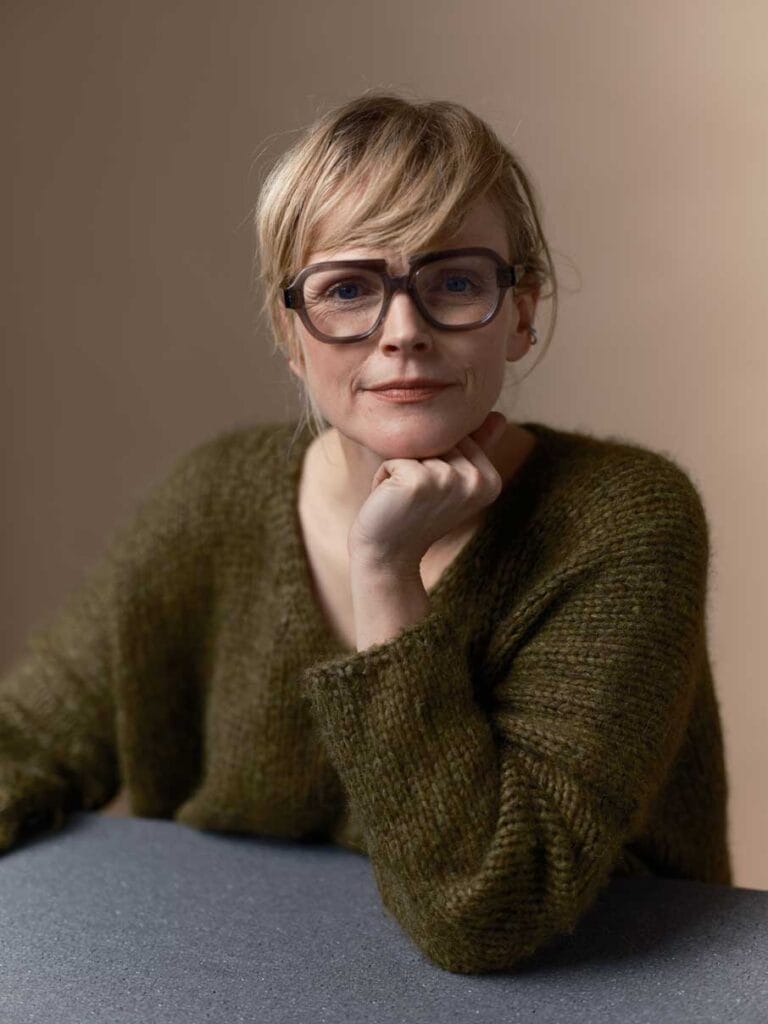
Maxine Peake is one of the North’s most distinctive and celebrated voices. Reflecting on her career and the challenges of navigating an entertainment industry, still heavily centred on London and the South East, she spoke with real intelligence and conviction. It was a fascinating insight into the experiences that have shaped both her work and her enduring commitment to representing northern stories.
Katie Price’s interview was conducted after we watched a preview of her forthcoming four-part documentary series for Sky, Katie Price: Nothing to Hide. Warm, open and refreshingly self-aware, Price quickly won over the audience with her honesty and humour. As the interviewer joked, interviewing Katie Price is less about asking questions and more about finding opportunities to occasionally interrupt her. The filmmakers had unrestricted access to her personal archive and were given complete editorial freedom. The only disappointment was being shown just the opening episode of what looks likely to be a compelling documentary series.
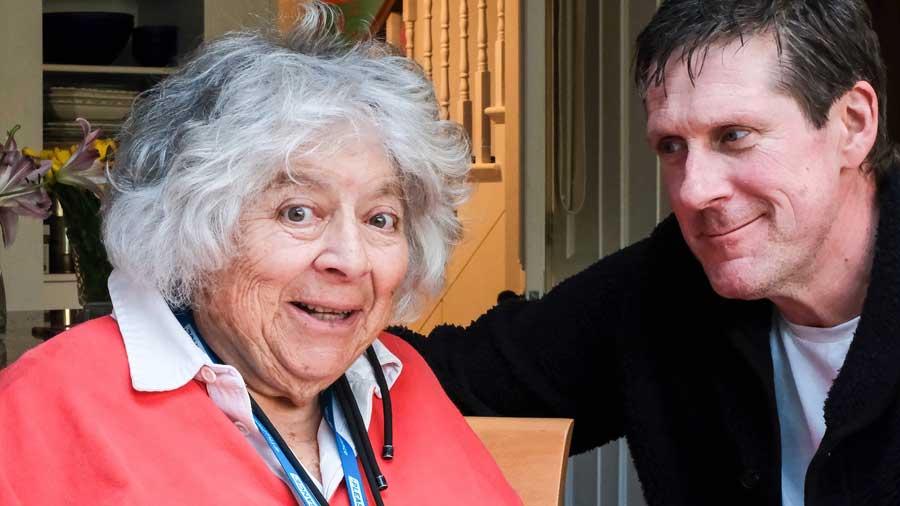
But of course, one interviewee stole the show: the wonderful Miriam Margolyes. From her very first remark (unprintable in a family-friendly magazine), it was clear that the audience was in for an unapologetically honest discussion of her life and career. Joined by filmmaker Simon Draper, with whom she has collaborated on a recent documentary, Made Me Me, Margolyes was part of a conversation that was in turns hilarious, moving and profoundly life-affirming. As the audience spilled out into the evening, there was a general sense that perhaps we could all benefit from being a little more Miriam.
Short films can often leave as deep an impression as their feature-length counterparts, and I always make a point of catching as many as possible at DocFest. This year, one of the standouts was Rose’s House. In less than 20 minutes, filmmaker Naomi Abel-Hirsch tells the remarkable story of Martine Rose, who, from the late 1970s, opened the doors of her modest terraced house in Lower Walkley, to provide a safe haven for Sheffield’s transgender community, long before we even had the language to describe it. Now aged 85, Martine joined the audience for the screening of a film that celebrates a lifetime of quiet, unwavering support for people who at the time must have felt despondent and so lonely.
The Filmmakers’ Challenge has expanded this year. The films are no longer made only in Sheffield but are also filmed in Wales and the southwest. As before, it provides aspiring documentary makers with the opportunity to work alongside established industry professionals. Among my favourites this year was Cristian Saavendra’s delightfully quirky film Popcorn, which explores the absence of the famed cinema snack at film festivals, and Olivia Hird’s wonderful portrait of a dance club in Hebden Bridge. Equally memorable was a showcase of films created by filmmakers with learning disabilities and autism, under the banner Something I Want You To Know. Working with little or no budget, each participant brought a distinctive perspective and storytelling style, creating a collection that was varied and compelling.
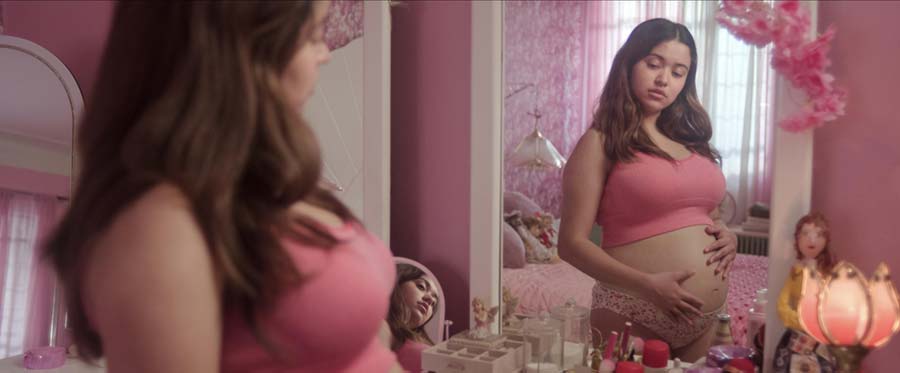
Alongside these small-scale gems were some of the documentary world’s biggest events. Many of the films received their UK, and in some cases world premieres here in Sheffield. It’s noticeable how streaming giants Netflix and Sky Documentaries continue to play an increasingly important role in the sector, providing much-needed funding and global audiences for documentary films. My personal highlight among their offerings was A Child of My Own, directed by Maite Alberdi. The story centres on a young Mexican woman who fakes a pregnancy after enduring relentless pressure from her husband and family. As the deception spirals, the narrative unfolds in ways that seem almost impossible to believe. Beyond its extraordinary story, the film raises fascinating questions about memory, perception and the nature of truth itself, challenging audiences to consider how people can experience the same events, but view them differently. It arrives on Netflix soon and deserves a place at the top of your watchlist.
Part of the joy of DocFest are those smaller events that can easily slip under the radar if you’re not paying attention, so it pays to do your homework. Two sessions I am particularly glad I found were 70 Up: The Final Chapter and aslo Behind the Scenes: Educating Yorkshire.
The Up series began in 1964 as a one-off TV show but became one of the most influential documentary projects ever undertaken. The final instalment has now been filmed so the series has now chronicled the lives of ordinary Britons for more than six decades. The discussion panel, which included the director and two of the original participants, now aged 70, reflected on the impact the series has had on their own lives and on generations of viewers.
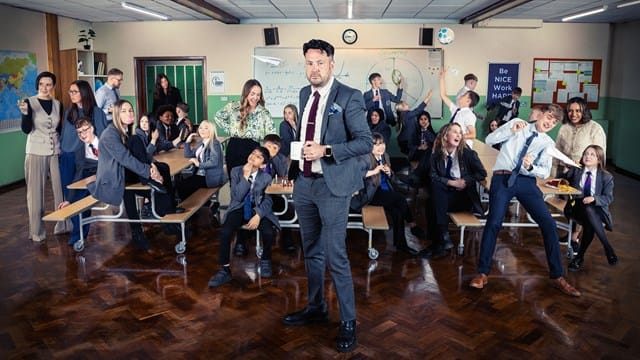
Educating Yorkshire, filmed at Thornhill Community Academy in Dewsbury, turned English teacher Matthew Burton into one of television’s most admired educators. He is now the headteacher and agreed to invite cameras back into the school, 12 years later. He was joined in Sheffield by two current pupils, and shared memories of some unforgettable moments from the original series, while offering a glimpse of what audiences can expect from the new footage.
No celebration of documentary storytelling would be complete without recognising the close relationship between film and music, and DocFest once again embraced that connection. Maxine Peake brought her musical alter ego to the festival, performing with local musicians Dean Honer and Adrian Flanagan, as the Eccentronic Research Council. Given the opportunity to curate part of the programme, it was perhaps inevitable that she would also take to the stage herself, delivering a memorable live performance at the Lyceum.
However, the biggest musical draw was undoubtedly Heaven 17. Following the world premiere of the film Heaven 17: The Last Temptation, Martyn Ware and Glen Gregory joined audiences for an on-stage discussion, followed by a performance. The documentary follows what may be the band’s final tour, while also revisiting their Sheffield roots, charting their journey from their departure from The Human League to the creation of one of Britain’s most influential electronic acts. Along the way, it offers a nostalgic and often touching portrait of both the band and the city that shaped them.
At a time when the daily news can often feel relentlessly bleak, life-affirming documentaries are especially welcome. Try! was one such film, following two Irish all-ability rugby teams on their journey to the World Cup and opened a fascinating window onto a sport I previously knew nothing about. Bugboy told another deeply affecting story, centred on a shy Greek teenager struggling to fit into society because of a visible eye condition. Through his fascination with insects, in particular a cricket named Isabella, he discovers a new sense of confidence and belonging.
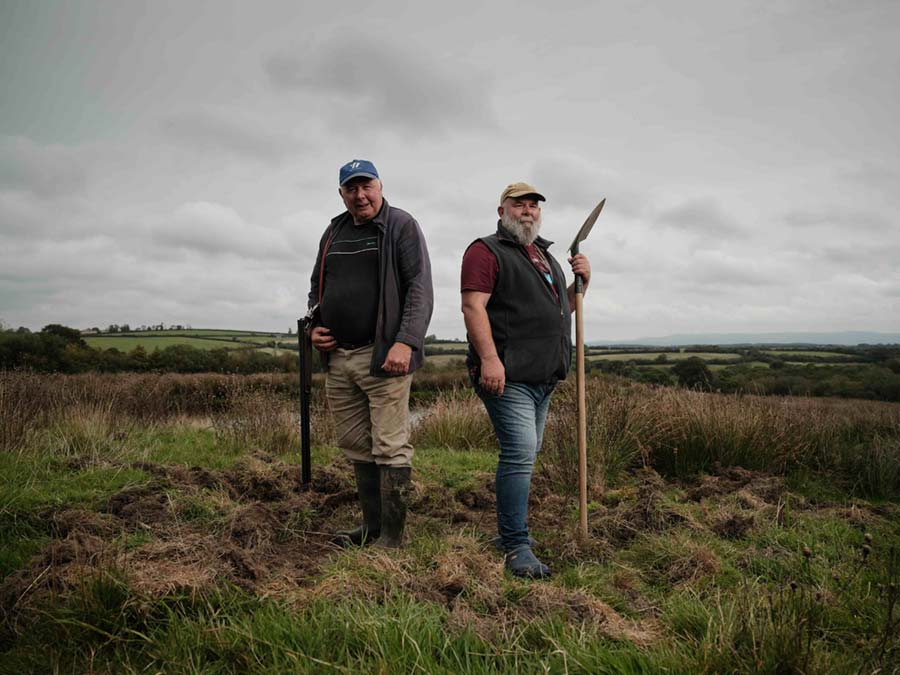
The feel-good film of the festival, however, had to be Derek vs Derek. This wonderfully entertaining documentary follows two neighbouring farmers, both called Derek, with sharply contrasting ideas about how their land should be managed. Despite remaining friends, just about, their increasingly exasperated relationship provides both humour and insight, and was one of several films questioning our fractured relationship with the environment. Both of the Dereks were in Sheffield for the world premiere and quickly became audience favourites.
Of course, DocFest also confronts the realities of the wider world. Some of the most talked-about screenings this year were also the most difficult to watch. Life Support, featuring footage filmed inside Gaza, alongside testimony from doctors who worked there, left audiences visibly shaken. Even knowing the subject matter in advance, could not lessen the impact of what unfolded on screen. It was a stark reminder of documentary film’s unique ability not only to inform, but to bear witness.
Climate change is increasingly being recognised for what it truly is: a climate crisis. Among the many urgent themes explored at this year’s festival, two films stood out for their refusal to let audiences look away from an issue that can no longer be postponed for future generations to solve.
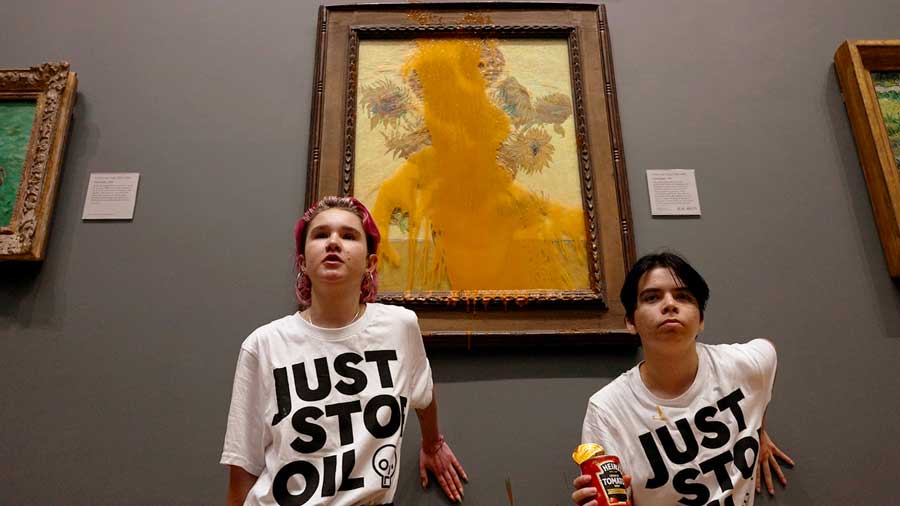
The opening night film, We, The Hated, was among the most powerful and thought-provoking documentaries at this year’s festival. Chronicling the actions of Just Stop Oil activists, it presents a nuanced portrait of the individuals behind the headlines and offers an honest examination of the movement and its motivations. Yet it is not the protests themselves that provide the film’s greatest shock. Instead, it is the way successive governments have responded, introducing increasingly severe penalties and altering long-established legal procedures once it became apparent that juries, ordinary members of the public, often felt sympathy for the activists’ cause. It was one of the most startling revelations I encountered during the festival and one that left me both astonished and deeply concerned. The fact that such significant legal changes have received almost no public attention only adds to the film’s impact.
As always, the festival concluded with the awards ceremony. A moment that is both a celebration, but also slightly bittersweet. It serves as a reminder of the films I have still to see, and the screenings missed while dashing between venues, and also the conversations that will continue long after the festival has ended. Above all though, it is a joyful affirmation of the creativity, determination and passion that documentary filmmaking demands. Hosted once again by the ever-engaging Sile Sebanda, the ceremony blended humour, emotion and inspiration in equal measure. It offered audiences a final opportunity to hear directly from the filmmakers whose work had moved, challenged and entertained them throughout the week. Watching creators and audiences come together to celebrate these achievements felt like the perfect conclusion to six extraordinary days of storytelling.
And perhaps that is why Sheffield DocFest continues to occupy such a special place in the cultural calendar. It is not simply a film festival. It is a gathering of curious minds, passionate storytellers and engaged audiences, united by a belief in the power of documentary to illuminate lives, challenge assumptions and make sense of a rapidly changing world. Long may it continue.